
Participation
参与感
How Xiaomi turned customers into collaborators.
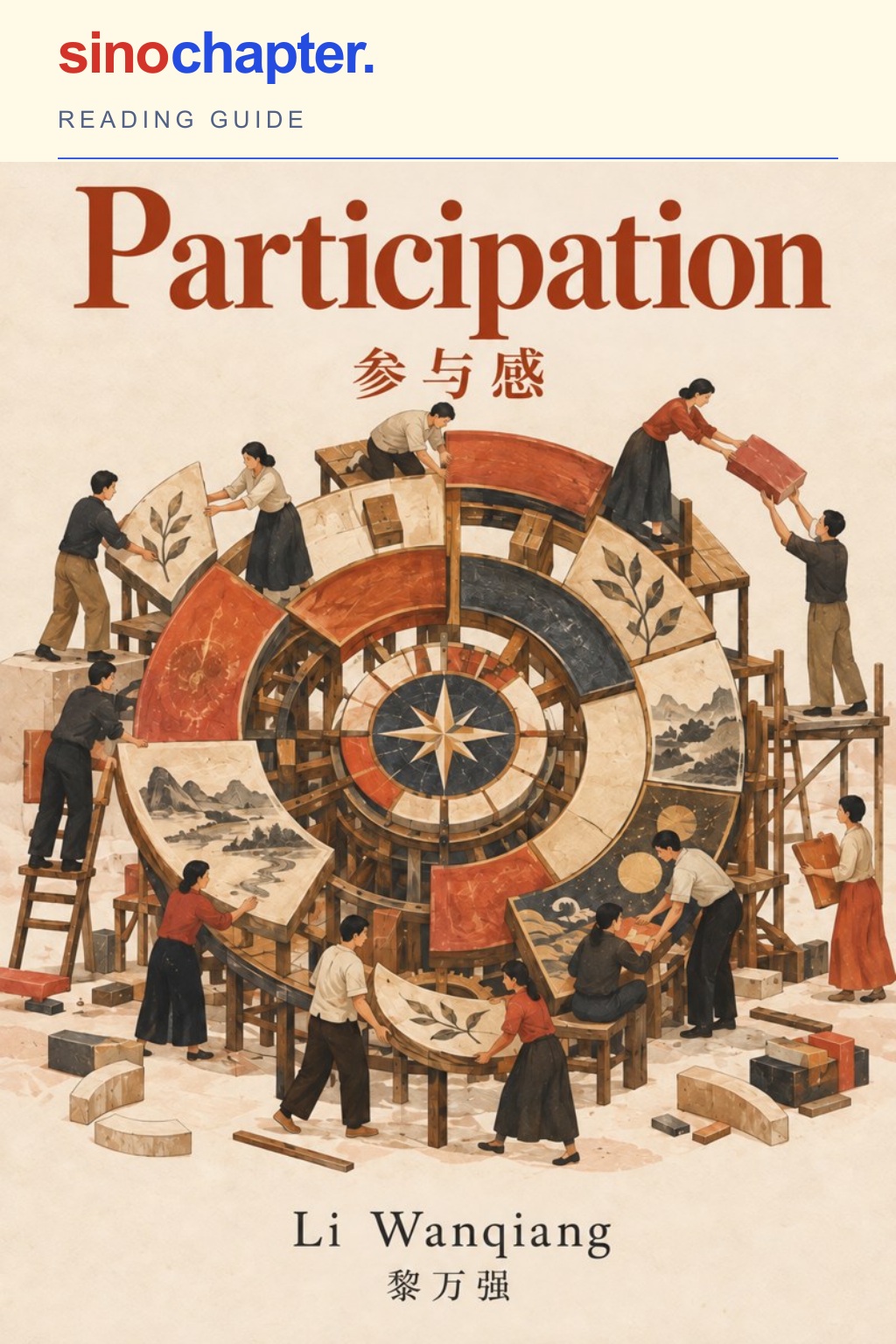
Xiaomi and the Power of Word of Mouth
Book author: Li Wanqiang
Chinese summary script: Lin Changhua
What makes customers recommend a product to other people? In Participation, Xiaomi cofounder Li Wanqiang explains the company’s approach: give users opportunities to help shape its products, join its activities and build a community around the brand.
Li draws on Xiaomi’s early years to explain how participation helped the company build word of mouth. His account follows the everyday decisions behind product development, marketing and customer service, showing how users could become involved in each.
Part One The Three Strategies and Three Tactics of Participation
Xiaomi founder Lei Jun described his approach through four principles: focus, zhuānzhù (专注); excellence, jízhì (极致); word of mouth, kǒubēi (口碑); and speed, kuài (快). In Li’s account, word of mouth sits at the centre. Participation explains how Xiaomi sought to encourage it.
Li describes word of mouth as a triangle connecting products, social media and relationships with users. The product gives people something worth recommending; social media helps those recommendations spread; and relationships connect the company with its users. Xiaomi’s approach was to treat users as friends and invite them to take part in the brand’s activities.
Li organizes participation around three strategies: create hit products, cultivate a community of fans and develop the company’s own media channels. Three tactics put these strategies into practice: give users opportunities to participate, design ways for them to interact and help the resulting stories and experiences spread through word of mouth.
Part Two Turn Products Events and Services into Hits
At Kingsoft, software development followed a schedule of releases separated by months. Users’ feedback passed through research teams and product managers before reaching engineers. That distance made it difficult for developers to respond quickly to what users wanted.
Xiaomi’s first product was MIUI, its customized version of Android phone software. The team issued weekly updates and interacted with users through an online forum, bringing user participation into the development process.
Users could suggest features, test the software and discuss their experiences in Xiaomi’s forums. The company also made a short film honouring its first 100 MIUI users, whose forum names appeared on the racing car in the story. These activities show Li’s three tactics in practice: opening opportunities for participation, encouraging interaction and creating stories people could share.
Participation also shaped Xiaomi’s marketing. To promote its televisions, the company let users design virtual living rooms and share images on Weibo. Another campaign, “I’m a Phone Enthusiast” (我是手机控), let people select phones they had owned and generate a personal image. Both gave users something to create and share, making participation part of the promotion itself.
Offline events also gave users ways to participate. The annual Mi Fan Festival (米粉节) celebrated the company’s community of fans. Xiaomi repeatedly revised its launch presentations, aiming for slides that were clear, easy to read and as visually striking as posters.
Service mattered just as much. Li argues that customer service should put people ahead of rigid procedures and treat users as friends. Xiaomi trusted its frontline staff to make some decisions themselves: they could give customers small gifts without seeking a manager’s approval.
Part Three Make Friends with Users
For Li, building a community of fans begins with loyalty. Xiaomi initially focused on earning users’ loyalty and spreading word of mouth. Only after this had reached sufficient scale did the company invest in making the brand more widely known.
MIUI began with just 100 users testing its first beta version. To thank them, Xiaomi included their forum usernames on the startup screen of the first official release. Li credits these early users’ recommendations with bringing new users to the weekly updates.
The name “Mi fans”, mǐfěn (米粉), emerged spontaneously among users in Xiaomi’s forums. At its Popcorn (爆米花) meetups, fans voted on host cities, auditioned through the forums to perform and volunteered to prepare the venues. Fans also appeared on the covers of Xiaomi’s Popcorn magazine. For Li, these were ways to let users shape the community and become its stars.
Li’s approach to product launches also put the audience’s experience first. He argues that the product should be the centre of attention, with presentations that explain its strengths clearly. Celebrity appearances and prize draws can distract from that focus. He also recommends consistent seating throughout the venue, criticizing front-row sofas for creating a sense of separation.
Part Four Make the Most of Your Own Media Channels
Li’s third strategy was to develop the company’s own media channels. In his account of Xiaomi’s early years, limited resources pushed the team towards social media. The company treated these platforms as places to publish content and communicate directly with users. For Li, their value lay in ongoing interaction and in helping word of mouth spread.
Content gives these channels something worth sharing. Li recommends three qualities: usefulness, emotional connection and interaction. Product information should explain features in language users understand, while stories should draw on real experiences. Content should also give users reasons to join in and share it with others.
To connect with younger users, Li argues that companies need to spend time in the communities where those users express their interests. This also means listening directly. At Xiaomi, he says, participation in the forums was expected of staff beyond the product managers: everyone was encouraged to interact with users, whose feedback helped guide improvements.
Li describes his own effort to understand young users through the video sites AcFun and Bilibili. At first, he found dànmù (弹幕)—viewer comments scrolling across the video—overwhelming. He kept watching until he could follow both the images and the comments. For him, the unfamiliar format was a reason to learn how younger users experienced videos.
Xiaomi used Weibo, WeChat, Qzone and its own forums as channels for reaching users. Li argues that word of mouth depends on trust between people, so media activity should help the company build relationships with its users. Running these channels therefore meant understanding the product and communicating its features clearly.
These channels served different purposes. Li describes WeChat as a customer service platform, Weibo as a way to reach new users and the forums as a place to maintain relationships with existing users. The choice of channel depended on what users needed and how they could best interact with the company.
Conclusion
Word of mouth lies at the centre of Lei Jun’s approach, and Li presents participation as a way to build it. His three strategies are to create hit products, cultivate a community of fans and develop the company’s own media channels. His three tactics are to give users opportunities to participate, design ways for them to interact and help the resulting stories and experiences spread through word of mouth.
The examples in the book extend participation beyond product development to events, customer service and communication. Li emphasizes treating users as friends and giving them meaningful opportunities to take part. For the company’s media channels, this means creating useful content and interacting with users in ways that build trust.
Private editorial preview. These guides introduce the source books; they are not translations of the complete books.